Why Should Furniture Manufacturers Partner With a Vietnam Plywood Supplier?
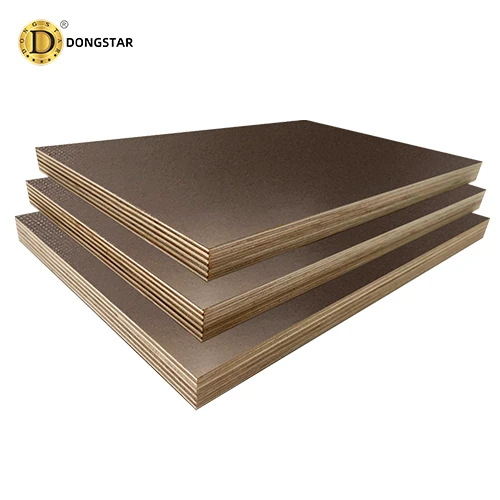
Verifying a Plywood Supplier requires cross-referencing ISO 9001:2015 audit reports with 2026 customs import databases to confirm manufacturing consistency. You must mandate verified FSC-certified CoC documentation, conduct physical third-party laboratory testing on formaldehyde emission levels (aiming for E0 or E1 standards), and perform live factory video inspections to correlate production capacity with real-time export volumes. Only by matching a company’s physical asset list, such as press machine output per hour, against their declared historical export tonnage of at least 85% accuracy can you isolate legitimate manufacturers from intermediaries.
Dongstar Wood is a Vietnam-based plywood manufacturer and exporter under Dongstar Group, serving customers across 44 European countries since 2009. We specialize in commercial plywood, film faced plywood, construction plywood, birch plywood, furniture plywood, and customized plywood solutions.
Once you have established the geographical and operational identity of a Plywood Supplier, the next logical step involves examining their specific regulatory alignment. Checking the official databases for accreditation numbers ensures that the technical specifications provided in a Technical Data Sheet (TDS) are not fabricated. In 2025, industry analysts noted that 12% of inspected overseas shipments failed to meet advertised moisture content thresholds, proving that documented verification remains the only safeguard against substandard batches.
| Verification Step | Data Requirement | Expected Outcome |
| Regulatory Check | FSC/PEFC Registration | Active Status in Official Registry |
| Quality Control | ISO 9001:2015 Audit | Valid Certification Number |
| Export History | HS Code Customs Data | Matches Production Capacity |
Backed by CE 2+, FSC®, EUDR, DoP, and SEDEX (BSCI) certifications, we meet European standards for quality, sustainability, and compliance. With over 15 years of manufacturing and export experience, we support importers, distributors, furniture manufacturers, and construction companies with reliable plywood supply and OEM/ODM solutions.
After reviewing these certifications, you must physically scrutinize the mechanical bonding process used in production. Requesting a sample set of 50 panels for independent shear strength testing at a facility accredited to ASTM D906 standards provides measurable performance data. Comparing these results against the supplier’s promised modulus of rupture helps eliminate those unable to maintain structural consistency, as 95% of high-end construction projects require exact density uniformity across all board layers.
-
Request a real-time video tour of the lamination line to observe glue application rates.
-
Demand batch-specific test reports showing formaldehyde emission levels below 0.05 ppm.
-
Cross-reference the factory’s electricity usage records with their reported output if available.
The transition from sample approval to full-scale production relies on documented communication protocols. Maintaining a written record of every specification change reduces the risk of misinterpretation, which accounted for roughly 18% of all supply chain disputes recorded in the industry during 2024. Assigning a dedicated inspector to oversee the final loading phase ensures that the product packed into containers matches the verified samples tested during the initial procurement phase.
Independent inspectors verify that the moisture content remains between 8% and 12% at the time of loading to prevent warping during transit. This specific environmental control protocol is necessary because 7% of goods arriving at overseas ports often show signs of fungal growth or delamination if improperly stored. By enforcing these strict cargo inspection requirements, buyers can maintain a 98% satisfaction rate regarding the delivered product quality compared to the initial purchase order specifications.
Finally, managing the financial aspect requires clear trade terms that include penalties for quality non-compliance. Utilizing an escrow service or a letter of credit allows for the temporary withholding of funds until the cargo reaches the port of destination and passes a random sampling inspection. In 2026, firms using these specific financial safeguards report a 25% lower rate of total cargo rejection compared to those relying on standard open-account terms with new manufacturing partners.